
Metal finishing
Unlock plating performance without wastewater constraints
Rinsing is essential for plating quality and production, but it creates wastewater streams that conventional treatment systems struggle to manage.
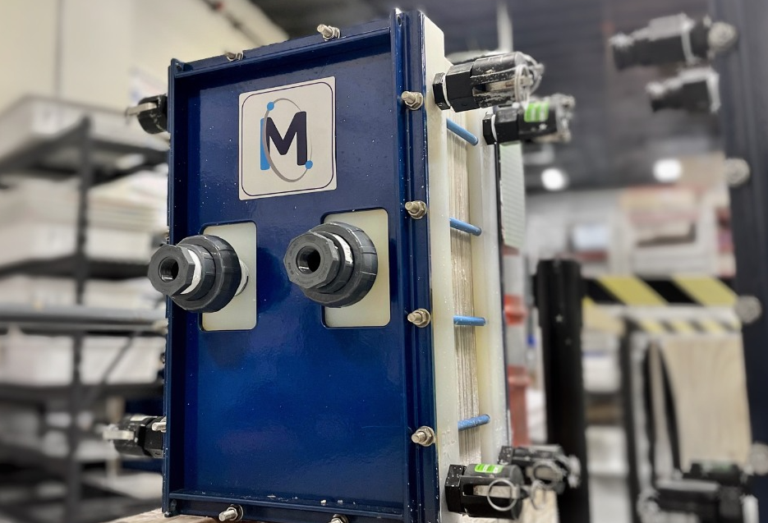
Membrion’s Electro-Ceramic Desalination (ECD) powered solutions selectively separate dissolved metals from rinse water, enabling stable treatment, higher rinse performance and greater operational flexibility.
Industry challenges
Metal finishing facilities rely on wastewater systems designed around chemical precipitation, but evolving plating chemistries and operational demands are pushing those systems beyond the conditions they were originally built to manage.
01
Plating chemistries are becoming harder to treat
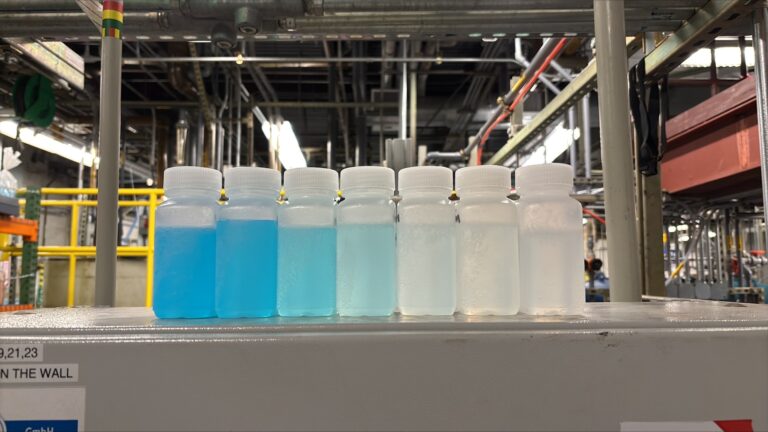
Modern plating operations often generate rinse water containing complex chemistries, additives and chelators that keep metals dissolved in wastewater streams. These conditions can make dissolved metals harder to remove using conventional precipitation systems and require closer control to maintain stable treatment performance. ECD selectively separates dissolved metals from rinse water streams, helping treatment systems perform reliably even as plating chemistries evolve.
02
Better rinsing can make metals harder to remove
Higher rinse rates help maintain plating quality and reduce bath contamination, but they also dilute metal concentrations in wastewater streams. Lower concentrations can make dissolved metals harder to remove using conventional precipitation systems. ECD removes dissolved metals even at low concentrations, allowing facilities to maintain optimal rinse performance without creating new treatment challenges.
03
Permits can limit operational flexibility
Metal finishing facilities operate under strict discharge permits that limit dissolved metals in wastewater. As production volumes increase or plating chemistries evolve, those limits can restrict the ability to expand operations or improve rinse performance. ECD helps facilities remove dissolved metals more effectively, enabling greater flexibility within existing discharge permit limits.
ECD solutions for metal finishing
Membrion’s ECD-powered solutions help metal finishing facilities enable ZLD strategies, support higher rinse performance and maintain stable discharge compliance by selectively separating dissolved metals from plating wastewater streams.


ECD technology
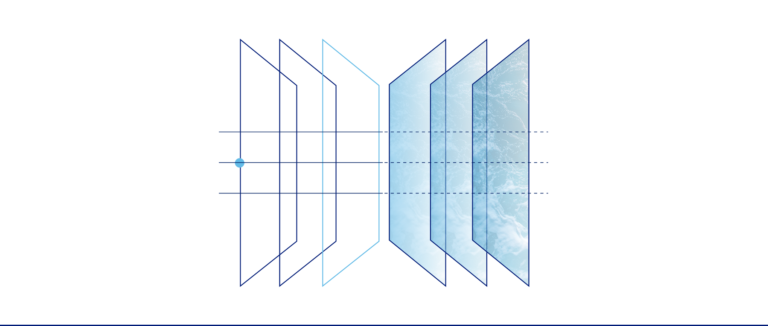
Most treatment systems work like coffee filters, trapping contaminants until performance declines. Electro-Ceramic Desalination works more like a kidney, continuously separating dissolved salts and metals so treatment performance becomes adaptable even in demanding wastewater conditions.
Resources
Explore Membrion resources to gain insights on solving complex water challenges.
Treating concentrated copper wastewater without expanding the footprint
Semiconductor copper wastewater from electrodeposition tools can arrive at high…When everything is possible, what is valuable?
For decades it’s been technically possible to treat almost any…The real opportunity in resource recovery
Resource recovery doesn’t get adopted as a sustainability story. It…