
Expanded copper wastewater treatment in a compact footprint
How Lam Research increased treatment capacity at its Tualatin, Oregon facility with a compact Electro-Ceramic Desalination (ECD) retrofit.
Membrion ECD for semiconductor wastewater treatment
See how Lam Research increased copper wastewater treatment capacity at its Tualatin, Oregon facility with Membrion’s compact Electro-Ceramic Desalination (ECD) system.
The Challenge
Treating a difficult waste stream within existing infrastructure
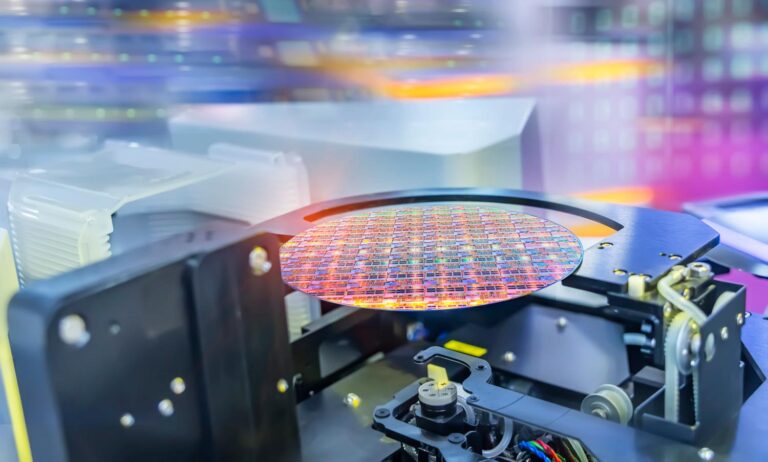
Lam Research’s Tualatin facility generates concentrated electrodeposition wastewater from its SABRE® tools, with copper concentrations up to 60 g/L, pH of 0–2, and significant variability depending on tool recipe.
As production demand increased, the facility needed additional treatment capacity without expanding its physical footprint. Reliance on offsite hauling also introduced variable cost, third-party logistics dependence and the risk of facility downtime if storage capacity was exceeded.
The Result
ECD integrated into the existing treatment process
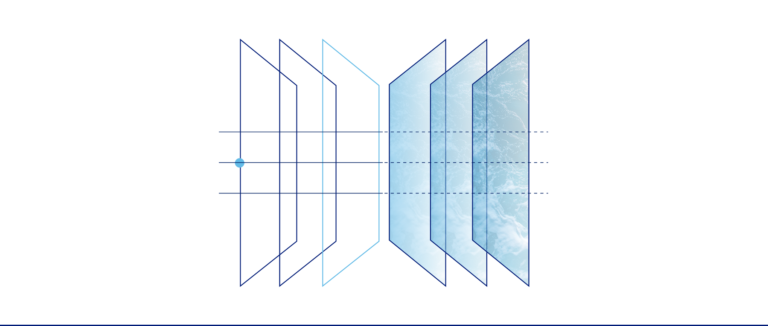
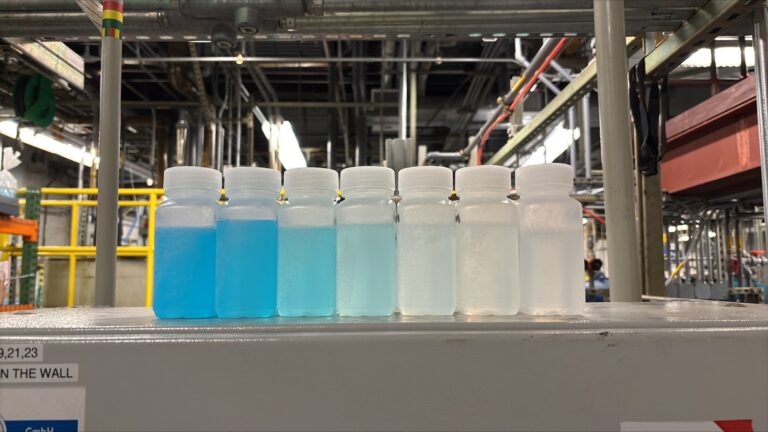
Membrion’s ECD system was integrated with Lam Research’s existing wastewater infrastructure to treat concentrated copper wastewater directly at the source. Dissolved copper is moved into a smaller concentrate stream, reducing the volume requiring offsite handling while maintaining predictable treated-water quality despite changing feed conditions.
Read the case study
See the process integration, operating data, treatment performance and lessons learned from Membrion’s deployment at Lam Research’s Tualatin facility.
Resources
Explore Membrion resources to gain insights on solving complex water challenges.
Water innovation only achieves a fraction of its potential
The water industry has no shortage of promising new technologies…Treating concentrated copper wastewater without expanding the footprint
Semiconductor copper wastewater from electrodeposition tools can arrive at high…When everything is possible, what is valuable?
For decades it’s been technically possible to treat almost any…